Summary
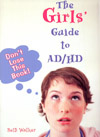
Attention, girls with AD/HD! Finally there is a book written especially for you-–a for-your-eyes-only look at what it is like to have AD/HD, and great advice on how to cope with it. THE GIRLS’ GUIDE TO AD/HD explores the good stuff, not-so-good stuff, normal stuff, brain stuff, and truthfully, the stuff that isn’t in any other book out there on AD/HD. Really!
So what makes this book different? It is funny, honest, and written especially for girls, not for their parents. It presents all the must-know information about AD/HD in a style that girls in junior, middle, or high school will understand and want to read. An important first step is to get to know how AD/HD affects girls in particular. They might be some combination of dreamy, forgetful, emotional, messy, depressed, talkative, distractible, or fidgety. They might also have trouble starting and finishing homework and chores, falling asleep and getting up, or fitting in with peers. Recognizing this mix of characteristics, the book presents information using three different girl characters-—Maddy, Helen, and Bo—-each with a unique personality and combination of AD/HD traits.
Maddy, Helen, and Bo cover all there is to know, including:
- What AD/HD is like for girls
- How the AD/HD brain works
- How puberty compounds problems with AD/HD
- How counseling, coaching, and medications help
- How to deal with emotions from anger to anxiety to depression
- What advantages there are to having AD/HD
- How to cope with school and homework
- How to get along with family and friends
Armed with this knowledge about AD/HD and the unbeatable advice found in this book, girls will be ready to accept the impact of AD/HD and decide how they are going to deal with it. It won’t be easy, but it will be worth it! THE GIRLS’ GUIDE TO AD/HD should be essential reading for girls, but also for parents, counselors, teachers, psychologists, and anyone who knows a girl with AD/HD and wants to understand her better.
Reviews
"Life for a girl with AD/HD is not easy. Beth Walker knows this and makes AD/HD real for her readers. Packed with information, The Girls' Guide to AD/HD: Don't Lose this Book!, has many features that set it apart, but, most importantly, it's FUN to read!"
--Patricia Quinn, MD Director, National Center for Gender Issues and ADHD
“What an awesome resource for a teen just like me! The Girls' Guide to AD/HD should be kept a reach away. Great for ideas and the consolation that we are not alone. Especially important to me was The Good Stuff (Chapter 8). Thank you, Beth Walker. This is one book I won't lose.”
--Christine Brady, college student and columnist of Christine on Teens, ADDitude magazine
"Having Attention-Deficit/Hyperactivity Disorder (AD/HD) is not a girl’s fault, but it is her problem. This accessible book, written specifically for girls in grades six through twelve, presents AD/HD as something to deal with, not to be ashamed of.
AD/HD is a neurological disorder affecting between six and nine percent of all Americans. According to the author, girls with the disorder behave differently than boys who have it. Girls are more likely to fidget rather than run around, and to whisper to a classmate rather than yell out. They are more likely to be day-dreamy in their distraction and get depressed instead of angry with people who don’t understand that they are not lazy or unfocused.
The first-time author, who is the mother of a girl with AD/HD, narrates her book in the voice and mannerism of a teenage girl named Maddy (and her friends Bo and Helen, who also have AD/HD). Walker has captured the essence of teen speech, while providing research-based information. 'People with AD/HD don’t focus or pay attention the way other people do,' says Maddy. 'I pay attention. It just isn’t always what I’m supposed to be paying attention to.' As Maddy, she often goes off track, which is a wonderful way to demonstrate how the mind of someone affected by AD/HD works. She never strays too far, though, and keeps her discussions short so that her attention-challenged audience can stay with her. Graphics, varied fonts, and bold headlines maintain visual interest.
The book follows a safe, logical progression. Walker starts with general facts about the disorder, including the chemistry of the teenaged brain and various treatments; then she carefully makes the conversation more personal by delving into how AD/HD affects family dynamics, friendships, school, and romances. Since AD/HD is not recognized in many girls, they often develop self-esteem problems by the time they are teens. Girls with AD/HD can also have trouble sustaining friendships, adding to their potential depression. They are often late, interrupt a lot, aren’t very good listeners, and have trouble picking up social cues. The author gives specific suggestions for how to make (and keep) friends. AD/HD in girls is severely under-diagnosed. Some researchers estimate that as many as seventy-five percent of girls with AD/HD aren’t diagnosed. As more educators, parents, and girls become more aware of it, they will need books like this one, which offers hope, humor, and the latest research to help girls feel good about who they are.
Throughout the volume, Walker reminds her readers that there are benefits to having AD/HD, including deeper empathy, charm, energy, and lots of great ideas. Maddy will feel like new friend to readers, one who will like them, not in spite of their AD/HD, but because of it."
-ForeWord Magazine, March 2005
Table of Contents
Foreword
Chapter 1: AD/HD: What Does It Mean, Anyway?
Chapter 2: Geography of the Wired Brain
Chapter 3: Brain Chemistry
Chapter 4: A Bad Case of Teenager Brain
Chapter 5: Emotions: Too Many, Too Often
Chapter 6: Putting the Treat Back Into Treatment, Part I
Chapter 7: Putting the Treat Back Into Treatment, Part II
Chapter 8: The Good Stuff
Chapter 9: Family
Chapter 10: Friendship, Love, and a Little about Sex
Chapter 11: School
Chapter 12: Friendship and School Stories
Chapter 13: The Lightbulb Has to Want to Change
Chapter 14: More Survival Tactics
Afterword
Selected Bibliography
Index